

Groups

MICCAI Student Board
Mission
The MICCAI Student Board (MSB) is dedicated to supporting and representing students and young scientists in the MICCAI community. We organize core professional events, including the MICCAI Doctoral Consortium, the MSB EMERGE Initiative, the MICCAI Academia and Industry Event, and the MICCAI Educational Challenge. Beyond organizing social and professional events during the MICCAI conference in collaboration with local teams, we also serve as the key advocate for students. We advise the MICCAI Society Board on matters crucial to young researchers and actively participate as ad-hoc members in various MICCAI boards and working group activities.
History of the MICCAI student board
In 2010, the MICCAI board initiated a social media presence, which was coordinated by Hakim Achterberg and Adrian Dalca through a Facebook group, which now boasts nearly 1000 members, and is managed by the MSB. Additionally, Hakim organised the first student social events during MICCAI 2011 in Toronto – a pub night and a bus trip to the Niagara Falls.
During MICCAI 2012, the MICCAI student board helped a group of students to organise a student career event as well as a student social trip. Given the success of these events, it was agreed to try to organise similar events for the future MICCAI conferences. To ensure continuity and mandate, the MICCAI board formally acknowledged the MICCAI Student Board as part of the MICCAI organisation.
Flagship Events
MICCAI Doctoral Consortium
An annual event connecting doctoral students with established researchers for mentorship and networking.
View Event
MSB EMERGE Initiative
Empowering early-career researchers through mentorship, education, and growth opportunities.
View Event
MICCAI Educational Challenge
Creating and sharing high-quality educational tutorials for the medical imaging community.
View Event





Board Members
- 2026
- 2025
- 2024
- 2023
- 2022
- 2021
Naren Akash
PresidentIIIT Hyderabad India
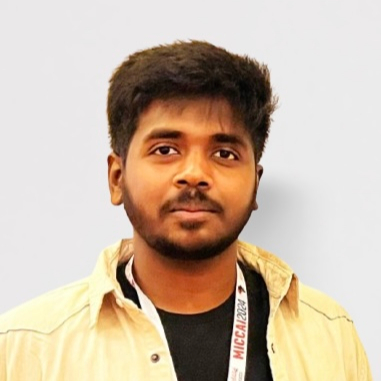
Naren Akash
I am an AI researcher. I think a lot about what it takes for AI systems to reason well, not just accurately but reliably. Things like staying grounded in evidence, being calibrated under uncertainty, and actually working in practice. I happen to focus on its applications in healthcare and medicine, where these capabilities stop being nice-to-haves.
Read MoreCosmin Bercea
VP Academic & ScientificTU Munich, Germany

Cosmin Bercea
I develop generative AI to reason about the unseen for early and rare pathology detection in large-scale medical imaging. My research focuses on normative learning, anomaly detection, and multimodal clinical grounding, with an emphasis on interpretability and clinical trust.
Read MoreBishal Swain
VP Socials & CommunicationsKumoh National Institute of Technology, South Korea

Bishal Swain
I am a PhD candidate in Computer Vision exploring how principles from biological neural systems can inform the next generation of deep learning architectures.
Read MoreNourhan Bayasi
Doctoral Events OfficerUniversity of British Columbia, Canada

Nourhan Bayasi
I am a Postdoctoral Research Fellow at the BC Cancer Research Institute, working in the Quantitative Radiomolecular Imaging and Therapy (Qurit) Lab under the supervision of Arman Rahmim. My research focuses on developing agentic, physician-in-the-loop AI systems, leveraging reinforcement learning to support clinical decision-making across tasks such as segmentation, classification, and survival prediction in multimodal medical imaging (CT, PET, SPECT, and ultrasound).
Read MoreConstantin Ulrich
Sports OfficerDKFZ, Germany
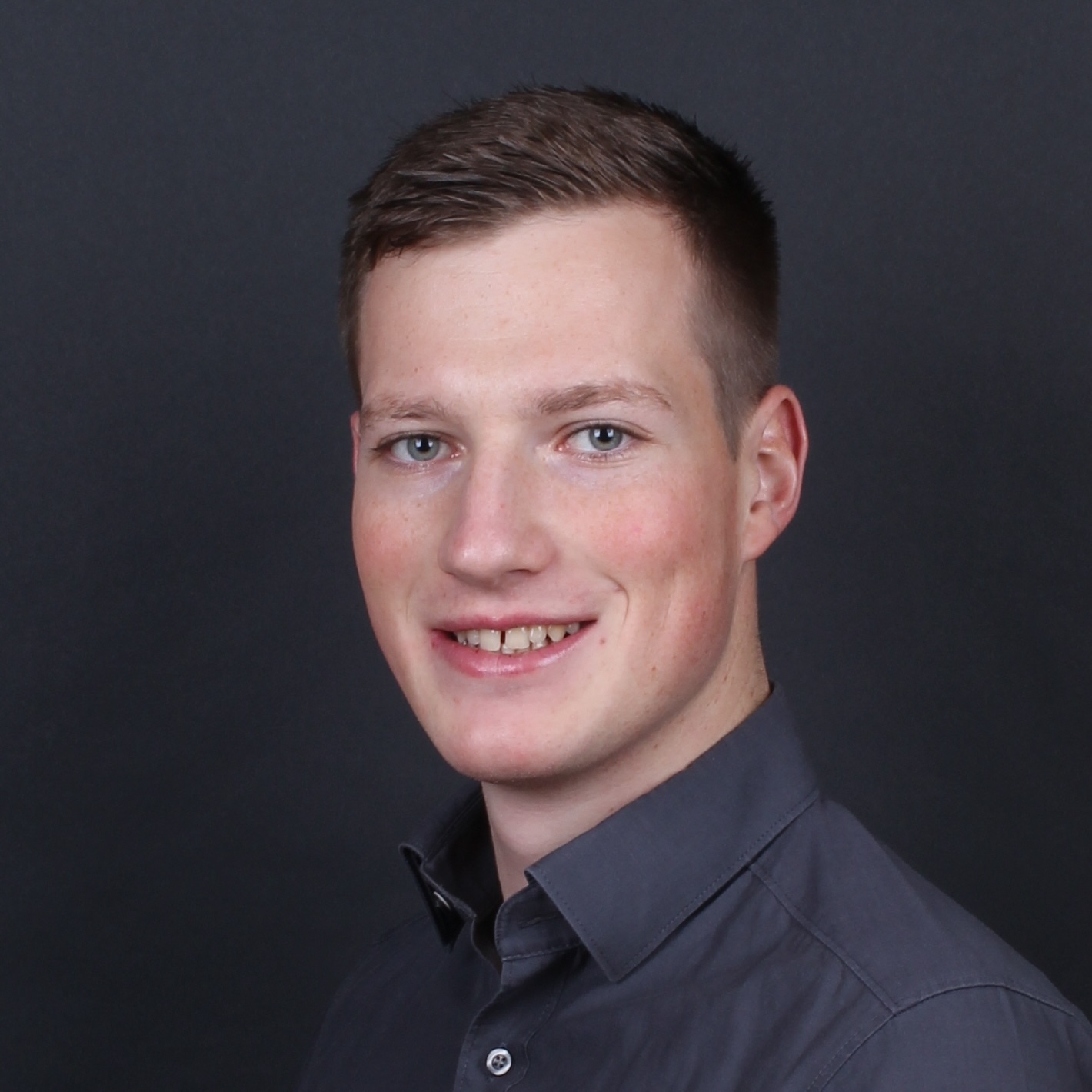
Constantin Ulrich
The Division of Medical Image Computing (MIC) at the German Cancer Research Center (DKFZ), pioneers research in machine learning and information processing, with the particular aim of improving cancer patient care by systematic image data analytics. We structure and quantify imaging information from multiple time-points and imaging technologies, e.g. magnetic resonance imaging or computer tomography, and link it with clinical and biological parameters.
Read MoreWeina Jin
Webinar OfficerSimon Fraser University
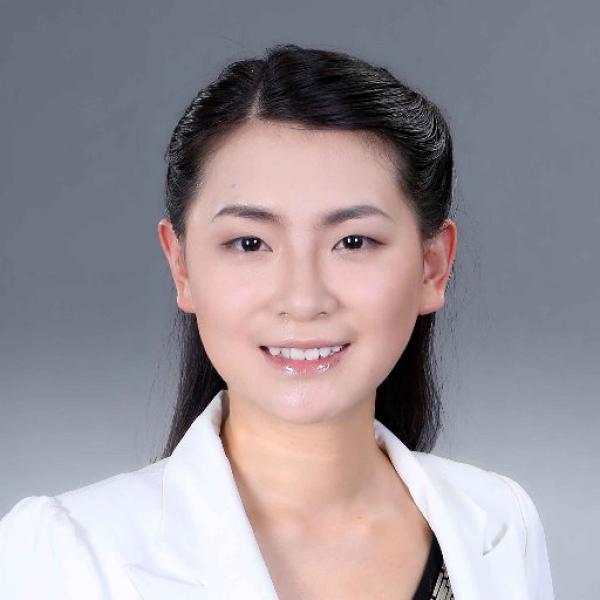
Weina Jin
Hi! I am Weina, a PhD student at Dr. Hamarneh’s Medical Image Analysis Lab, Computing Science, Simon Fraser University. My research is on developing end-user-centered interpretable AI (artificial intelligence), and how to use it to augment doctors’ clinical decision making based on medical image tasks. I’m especially interested in using explanations for better learning, for both AI (enable AI to learn better by forcing explicit representation) and doctors (learn from those explicit representations to accumulate experience from big clinical data).
Read MoreSue Min Cho
Social Events OfficerJohns Hopkins University, USA

Sue Min Cho
I am a PhD student at Johns Hopkins University, advised by Professors Mathias Unberath and Russell H. Taylor. My research focuses on advancing human-machine synergy in healthcare. By leveraging cognitive psychology, computer vision, and human-machine interaction, I create solutions grounded in human-centered design and assurance principles. My work builds the foundation for the reliable and safe integration of advanced technology into real-world applications in the socio-technical system of healthcare.
Read MoreDivyanshu Tak
Social Events OfficerBrigham and Women's Hospital, USA

Chanyoung Kim
Professional Events OfficerEmory University, USA
Jan Mangulabnan
Public Relations OfficerJohns Hopkins University, USA
Thanh-Huy Nguyen
Public Relations OfficerCarnegie Mellon University
Nick Lemke
Educational Events OfficerTU Darmstadt, Germany
Nick Lemke
My name is Nick Lemke. I first got in touch with medical image analysis in terms of a university-related internship with Camila González. After writing my master’s thesis under the supervision of Camila and Martin Mundt, I joined the Medical and Environmental Computing (MEC) Lab as a Ph.D. student in May 2024.
Read MoreNaren Akash
PresidentIIIT Hyderabad India
Naren Akash
I am an AI researcher. I think a lot about what it takes for AI systems to reason well, not just accurately but reliably. Things like staying grounded in evidence, being calibrated under uncertainty, and actually working in practice. I happen to focus on its applications in healthcare and medicine, where these capabilities stop being nice-to-haves.
Read MoreAmar Kumar
Vice-PresidentMcGill University, Canada
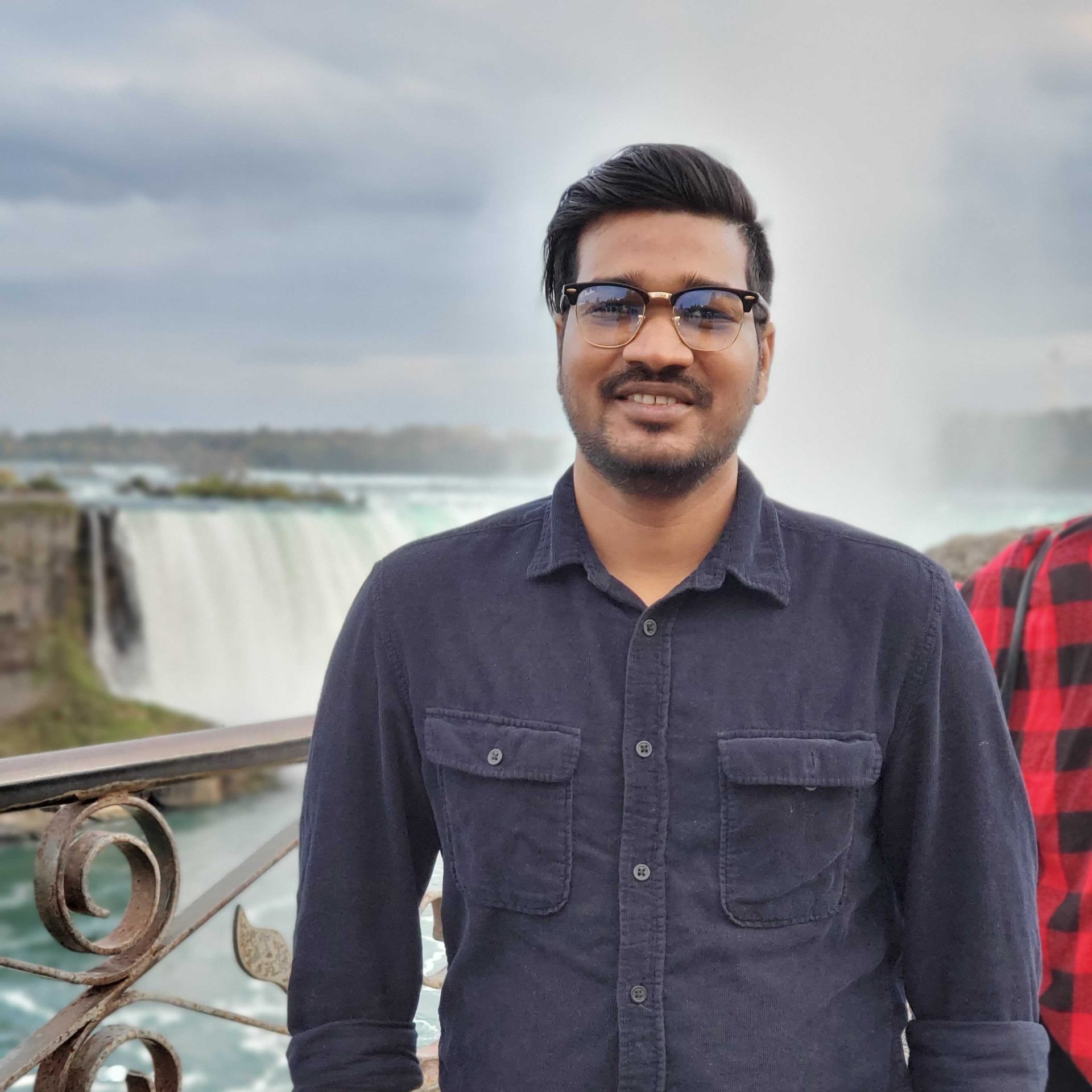
Amar Kumar
I am a PhD student working under the supervision of Prof. Tal Arbel in the Probabilistic Vision Group (PVG). My research primarily focuses on generative AI and medical imaging, with the main objective to tackle real-world challenges like bias mitigation in deep learning models.
Read MoreNourhan Bayasi
Doctoral Events OfficerUniversity of British Columbia, Canada
Nourhan Bayasi
I am a Postdoctoral Research Fellow at the BC Cancer Research Institute, working in the Quantitative Radiomolecular Imaging and Therapy (Qurit) Lab under the supervision of Arman Rahmim. My research focuses on developing agentic, physician-in-the-loop AI systems, leveraging reinforcement learning to support clinical decision-making across tasks such as segmentation, classification, and survival prediction in multimodal medical imaging (CT, PET, SPECT, and ultrasound).
Read MoreCosmin Bercea
Scientific Events OfficerTU Munich, Germany
Cosmin Bercea
I develop generative AI to reason about the unseen for early and rare pathology detection in large-scale medical imaging. My research focuses on normative learning, anomaly detection, and multimodal clinical grounding, with an emphasis on interpretability and clinical trust.
Read MoreAmin Ranem
Professional Events OfficerTU Darmstadt, Germany

Amin Ranem
My PhD focuses on Continual Learning with Transformer Architectures for magnetic resonance images (MRIs) and computer tomography (CT) scans. Changing patient populations over time as well as different acquisition techniques across and within medical institutions lead to shifts in the data domain. Networks only trained on a single domain inevitably create unreliable predictions for out-of-distribution images.
Read MoreAhmed Nebli
Educational Events OfficerFZ Jülich, Germany
Weina Jin
Webinar OfficerSimon Fraser University
Weina Jin
Hi! I am Weina, a PhD student at Dr. Hamarneh’s Medical Image Analysis Lab, Computing Science, Simon Fraser University. My research is on developing end-user-centered interpretable AI (artificial intelligence), and how to use it to augment doctors’ clinical decision making based on medical image tasks. I’m especially interested in using explanations for better learning, for both AI (enable AI to learn better by forcing explicit representation) and doctors (learn from those explicit representations to accumulate experience from big clinical data).
Read MoreBishal Swain
Social Events OfficerKumoh National Institute of Technology, South Korea
Bishal Swain
I am a PhD candidate in Computer Vision exploring how principles from biological neural systems can inform the next generation of deep learning architectures.
Read MoreSue Min Cho
Social Events OfficerJohns Hopkins University, USA
Sue Min Cho
I am a PhD student at Johns Hopkins University, advised by Professors Mathias Unberath and Russell H. Taylor. My research focuses on advancing human-machine synergy in healthcare. By leveraging cognitive psychology, computer vision, and human-machine interaction, I create solutions grounded in human-centered design and assurance principles. My work builds the foundation for the reliable and safe integration of advanced technology into real-world applications in the socio-technical system of healthcare.
Read MoreConstantin Ulrich
Sports Events OfficerDKFZ, Germany
Constantin Ulrich
The Division of Medical Image Computing (MIC) at the German Cancer Research Center (DKFZ) pioneers research in machine learning and information processing, with the particular aim of improving cancer patient care by systematic image data analytics. We structure and quantify imaging information from multiple time-points and imaging technologies, e.g. magnetic resonance imaging or computer tomography, and link it with clinical and biological parameters.
Read MoreJan Mangulabnan
Public Relations OfficerJohns Hopkins University, USA
Nick Lemke
Public Relations OfficerTU Darmstadt, Germany
Nick Lemke
My name is Nick Lemke. I first got in touch with medical image analysis in terms of a university-related internship with Camila González. After writing my master’s thesis under the supervision of Camila and Martin Mundt, I joined the Medical and Environmental Computing (MEC) Lab as a Ph.D. student in May 2024.
Read MoreDivyanshu Tak
Executive OfficerBrigham and Women's Hospital, USA
Chanyoung Kim
Local Student Liaison OfficerYonsei University, South Korea
Advaith Veturi
Professional EventsCU Anschutz Medical Campus
Advaith Veturi
Hi and welcome to my website, Machine Learning and Me 👋! I’m a PhD student in the UCSF–UC Berkeley Computational Precision Health (CPH) program, currently working with Dr. Rima Arnaout on deep learning methods for cardiac image analysis. My research sits at the intersection of machine learning, computer vision, and medical imaging, with a focus on building robust and clinically meaningful AI systems.
Read MoreNaren Akash
PresidentIIIT Hyderabad India
Naren Akash
I am an AI researcher. I think a lot about what it takes for AI systems to reason well, not just accurately but reliably. Things like staying grounded in evidence, being calibrated under uncertainty, and actually working in practice. I happen to focus on its applications in healthcare and medicine, where these capabilities stop being nice-to-haves.
Read MoreMoritz Fuchs
Vice-PresidentDarmstadt University of Technology, Germany
Anna Zapaishchykova
Executive OfficerHarvard University, United States
Anna Zapaishchykova
Hi! I am a Post Doctoral Researcher at AIM lab - Harvard MGB and KannLab and Editorial Board Trainee at Radiology: AI. I have a PhD (cum laude) in AI in Medical Imaging from Maastricht University, GROW - Research Institute for Oncology and Reproduction.
Read MoreWeina Jin
Webinar OfficerSimon Fraser University
Weina Jin
Hi! I am Weina, a PhD student at Dr. Hamarneh’s Medical Image Analysis Lab, Computing Science, Simon Fraser University. My research is on developing end-user-centered interpretable AI (artificial intelligence), and how to use it to augment doctors’ clinical decision making based on medical image tasks. I’m especially interested in using explanations for better learning, for both AI (enable AI to learn better by forcing explicit representation) and doctors (learn from those explicit representations to accumulate experience from big clinical data).
Read MoreHarry Anthony
PR OfficerUniversity of Oxford, England
Harry Anthony
Hello world! My name is Harry Anthony and I am a DPhil student at the University of Oxford. As part of the IBME group, my research focuses on improving the reliability of deep neural networks in the field of medical imaging, with a particular emphasis on Out-of-distribution (OOD) detection. OOD detection is critical for ensuring the accuracy and safety of medical imaging systems, as it helps to identify when input data differs from its training data. Through my research, I aim to develop novel methods for deep learning algorithms to detect OOD inputs and improve the overall performance of medical imaging systems. Prior to my doctoral studies, I obtained a first class master's degree in Physics from Imperial College London.
Read MoreAdvaith Veturi
Professional EventsCU Anschutz Medical Campus
Advaith Veturi
Hi and welcome to my website, Machine Learning and Me 👋! I’m a PhD student in the UCSF–UC Berkeley Computational Precision Health (CPH) program, currently working with Dr. Rima Arnaout on deep learning methods for cardiac image analysis. My research sits at the intersection of machine learning, computer vision, and medical imaging, with a focus on building robust and clinically meaningful AI systems.
Read MoreAmin Ranem
Professional Events OfficerTU Darmstadt, Germany
Amin Ranem
My PhD focuses on Continual Learning with Transformer Architectures for magnetic resonance images (MRIs) and computer tomography (CT) scans. Changing patient populations over time as well as different acquisition techniques across and within medical institutions lead to shifts in the data domain. Networks only trained on a single domain inevitably create unreliable predictions for out-of-distribution images.
Read MorePaul Wilson
Social Events OfficerQueen's University, Canada

Paul Wilson
I'm a Ph.D. candidate in deep learning for medical image analysis and winner of MICCAI best young scientist. I've pioneered major advancements in AI-assisted prostate cancer diagnosis. With award-winning publications and industry experience as a machine learning engineer, I’m passionate about advancing human and societal health through accurate and trustworthy AI.
Read MoreBenjamin Killen
Social Events OfficerJohn Hopkins University, United States
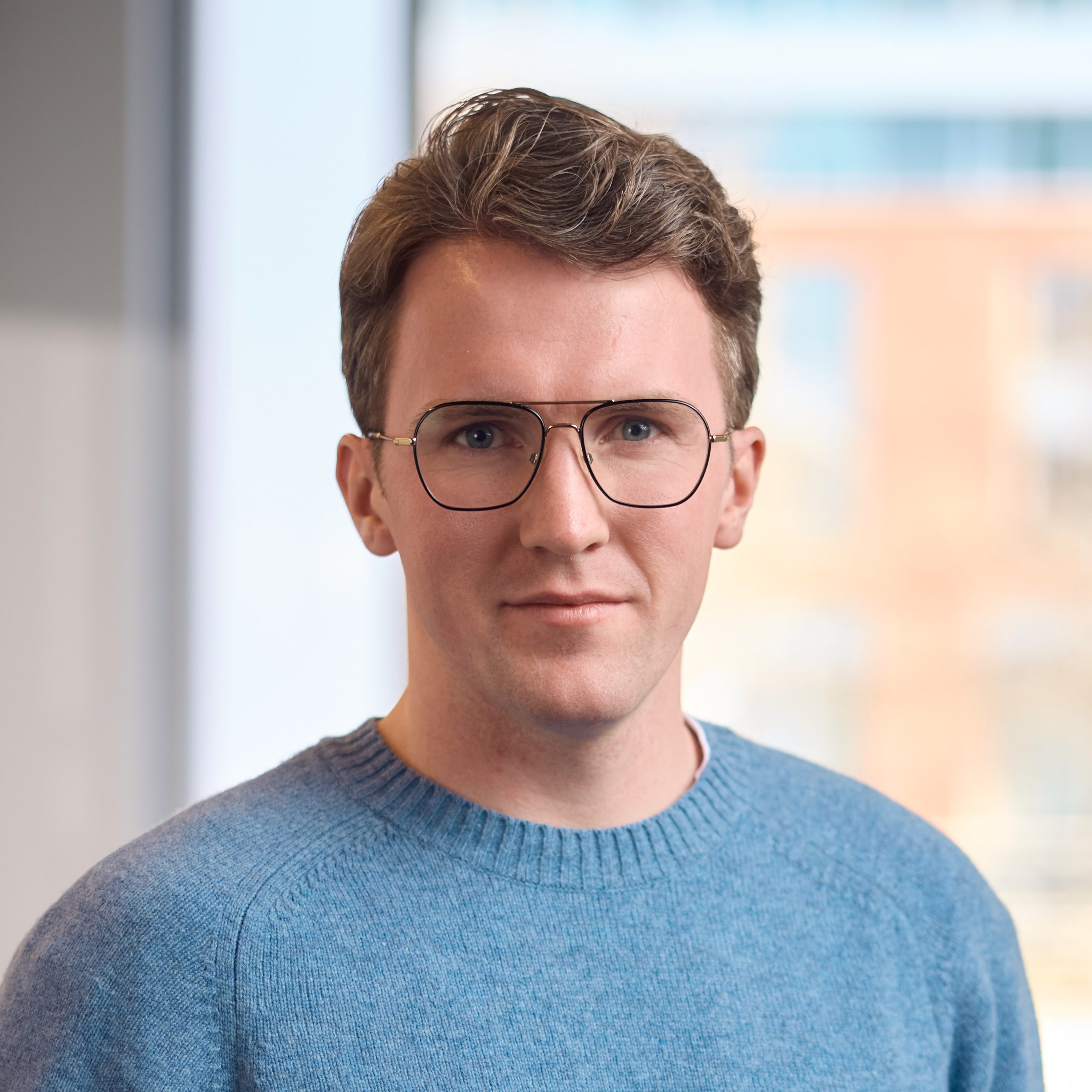
Benjamin Killen
A postdoctoral researcher at the Technical University of Munich, I am interested in the future of AI- and robot-assisted healthcare. My recent work advances physics- and learning-based simulations – from single image formation to room-scale environments – as the basis for intelligent assistance systems and immersive educational experiences.
Read MoreConstantin Ulrich
Sports Events OfficerDKFZ, Germany
Constantin Ulrich
The Division of Medical Image Computing (MIC) at the German Cancer Research Center (DKFZ) pioneers research in machine learning and information processing, with the particular aim of improving cancer patient care by systematic image data analytics. We structure and quantify imaging information from multiple time-points and imaging technologies, e.g. magnetic resonance imaging or computer tomography, and link it with clinical and biological parameters.
Read MoreAhmed Nebli
Educational Events OfficerFZ Jülich, Germany
Amar Kumar
EducationMcGill University, Canada
Amar Kumar
I am a PhD student working under the supervision of Prof. Tal Arbel in the Probabilistic Vision Group (PVG). My research primarily focuses on generative AI and medical imaging, with the main objective to tackle real-world challenges like bias mitigation in deep learning models.
Read MoreYanis Najy Miraoui
Local Student LiaisonStanford University, United States
Yanis Najy Miraoui
I am a MS in Statistics & Data Science student at Stanford University and a Member of Technical Staff at Inception Labs.
Read MoreCamila Gonzalez
PresidentDarmstadt University of Technology

Camila Gonzalez
My PhD focuses on Continual Learning and Out-of-distribution detection for magnetic resonance images (MRIs) and computer tomography (CT) scans. Due to differences in the acquisition process across -and even within- medical institutions, this data often suffers from domain shift. Deep Learning models which are not trained specifically to deal with multi-domain data behave unreliably when applied to out-of-distribution images. My goal is to facilitate the use of Deep learning models for both segmentation and classification/detection in clinical multi-institutional settings.
Read MoreNaren Akash
Vice PresidentIIIT Hyderabad India

Naren Akash
I am an AI researcher. I think a lot about what it takes for AI systems to reason well, not just accurately but reliably. Things like staying grounded in evidence, being calibrated under uncertainty, and actually working in practice. I happen to focus on its applications in healthcare and medicine, where these capabilities stop being nice-to-haves.
Read MorePaul Wilson
Executive OfficerQueen's University, Canada
Paul Wilson
I'm a Ph.D. candidate in deep learning for medical image analysis and winner of MICCAI best young scientist. I've pioneered major advancements in AI-assisted prostate cancer diagnosis. With award-winning publications and industry experience as a machine learning engineer, I’m passionate about advancing human and societal health through accurate and trustworthy AI.
Read MoreWeina Jin
Local Student LiaisonSimon Fraser University
Weina Jin
Hi! I am Weina, a PhD student at Dr. Hamarneh’s Medical Image Analysis Lab, Computing Science, Simon Fraser University. My research is on developing end-user-centered interpretable AI (artificial intelligence), and how to use it to augment doctors’ clinical decision making based on medical image tasks. I’m especially interested in using explanations for better learning, for both AI (enable AI to learn better by forcing explicit representation) and doctors (learn from those explicit representations to accumulate experience from big clinical data).
Read MoreS. Shailja
WebinarsUniversity of California, Santa Barbara
Moritz Fuchs
PRDarmstadt University of Technology, Germany
Bo Zhou
Professional EventsYale University

Bo Zhou
I am leading the Advanced AI in Medicine and Physics Laboratory (AIMP-Lab) at Department of Radiology, Northwestern University. I obtained my PhD from Yale University (Harding Bliss Prize Winner) where I was co-advised by Prof. Chi Liu at PET Center and Prof. James S. Duncan at IPAG. Before joining Yale, I received my Master of Science in Computer Vision (MSCV) at Robotics Institute, CMU, supervised by Prof. Min Xu and Prof. Srinivasa Narasimhan.
Read MoreAdvaith Veturi
Professional EventsCU Anschutz Medical Campus
Advaith Veturi
Hi and welcome to my website, Machine Learning and Me 👋! I’m a PhD student in the UCSF–UC Berkeley Computational Precision Health (CPH) program, currently working with Dr. Rima Arnaout on deep learning methods for cardiac image analysis. My research sits at the intersection of machine learning, computer vision, and medical imaging, with a focus on building robust and clinically meaningful AI systems.
Read MoreAngela Castillo
Social Events OfficerUniversidad de los Andes
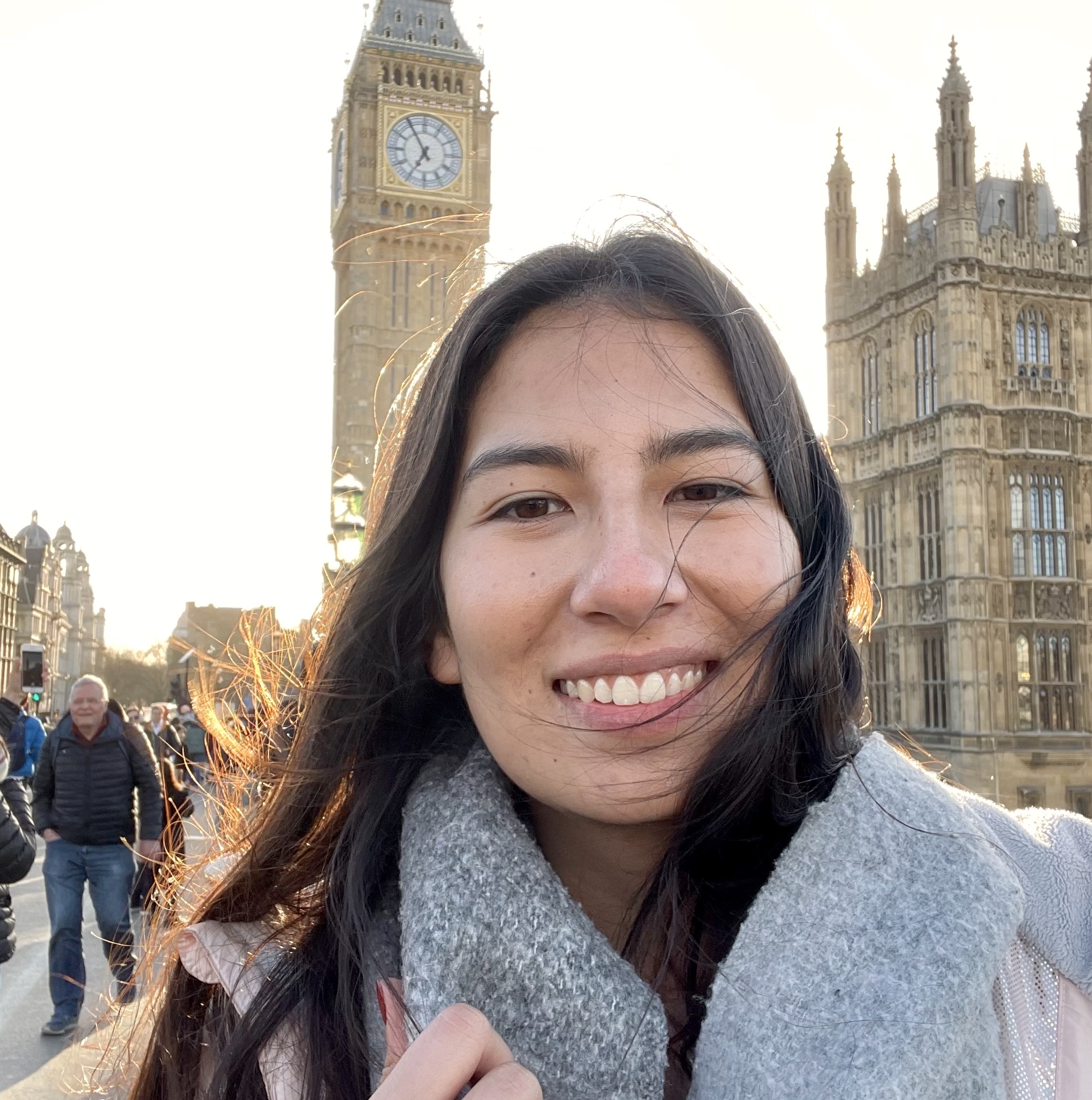
Angela Castillo
I am a Deep Learning Research Scientist at Animaj. Previously, I obtained my Ph.D. degree while I was a researcher at the Center for Research and Formation in Artificial Intelligence under the supervision of Prof. Pablo Arbeláez at Universidad de los Andes in Bogotá, Colombia. My research is focused on Generative Artificial Intelligence (Generative AI).
Read MorePaul Weiser
Social Events OfficerMedical University of Vienna
Benjamin Killen
Sports EventsJohn Hopkins University, United States
Benjamin Killen
A postdoctoral researcher at the Technical University of Munich, I am interested in the future of AI- and robot-assisted healthcare. My recent work advances physics- and learning-based simulations – from single image formation to room-scale environments – as the basis for intelligent assistance systems and immersive educational experiences.
Read MoreEmmanuelle Bourigault
EducationUniversity of Oxford, England
Ahmed Nebli
Educational Events OfficerFZ Jülich, Germany
Camila Gonzalez
PresidentDarmstadt University of Technology
Camila Gonzalez
My PhD focuses on Continual Learning and Out-of-distribution detection for magnetic resonance images (MRIs) and computer tomography (CT) scans. Due to differences in the acquisition process across -and even within- medical institutions, this data often suffers from domain shift. Deep Learning models which are not trained specifically to deal with multi-domain data behave unreliably when applied to out-of-distribution images. My goal is to facilitate the use of Deep learning models for both segmentation and classification/detection in clinical multi-institutional settings.
Read MoreVanessa Gonzalez
Vice-PresidentEcole Central Nantes
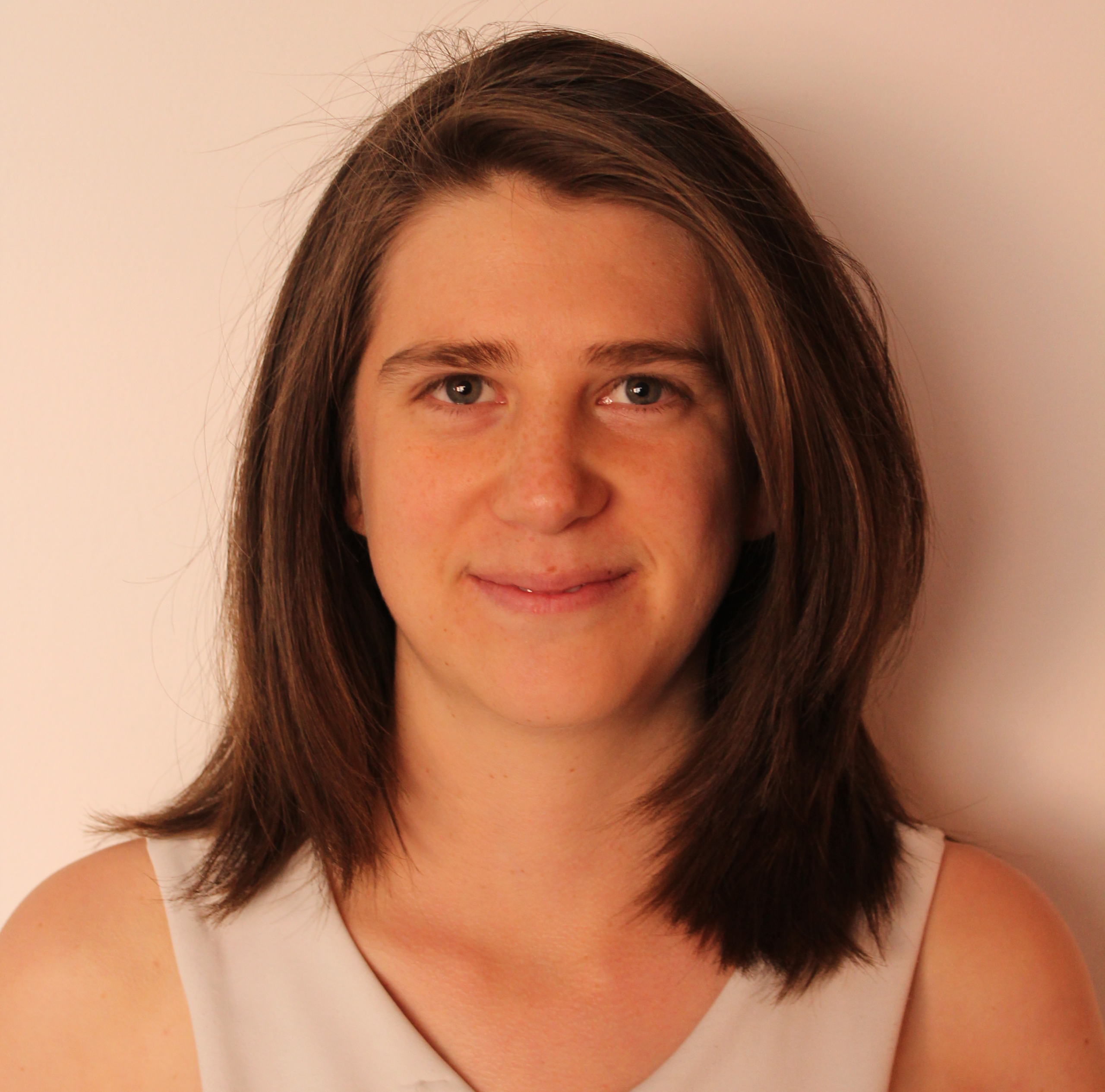
Vanessa Gonzalez
B.S. in Mechatronics Engineering, Universidad Nacional de Colombia, 2017 M.Sc. in Generalist Engineering, Ecole Centrale de Nantes, 2019 Ph.D in Ultrasound enhancement and 3D volume construction, Ecole Centrale de Nantes, 2023 (expected)
Read MoreJiahong Ouyang
Professional Events OfficerStanford University
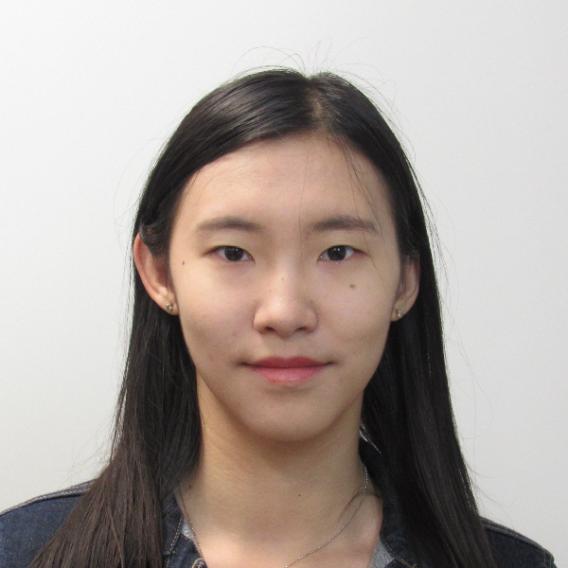
Jiahong Ouyang
I started my PhD in Electrical Engineering at Stanford in 2020. Before that, I received a BS in automation from Tsinghua University in 2017 and an MS in robotics from Carnegie Mellon University in 2019 specialized in machine learning and computer vision. My research interest is applying machine learning methods on neuroimage analysis, especially on modeling the progression of neurodegenerative diseases like Alzheimer’s Disease.
Read MoreNaren Akash
PresidentIIIT Hyderabad India
Naren Akash
I am an AI researcher. I think a lot about what it takes for AI systems to reason well, not just accurately but reliably. Things like staying grounded in evidence, being calibrated under uncertainty, and actually working in practice. I happen to focus on its applications in healthcare and medicine, where these capabilities stop being nice-to-haves.
Read MoreAhmed Nebli
Educational Events OfficerFZ Jülich, Germany
Bo Zhou
Educational OfficerYale University
Bo Zhou
I am leading the Advanced AI in Medicine and Physics Laboratory (AIMP-Lab) at Department of Radiology, Northwestern University. I obtained my PhD from Yale University (Harding Bliss Prize Winner) where I was co-advised by Prof. Chi Liu at PET Center and Prof. James S. Duncan at IPAG. Before joining Yale, I received my Master of Science in Computer Vision (MSCV) at Robotics Institute, CMU, supervised by Prof. Min Xu and Prof. Srinivasa Narasimhan.
Read MoreAngela Castillo
Social Events OfficerUniversidad de los Andes
Angela Castillo
I am a Deep Learning Research Scientist at Animaj. Previously, I obtained my Ph.D. degree while I was a researcher at the Center for Research and Formation in Artificial Intelligence under the supervision of Prof. Pablo Arbeláez at Universidad de los Andes in Bogotá, Colombia. My research is focused on Generative Artificial Intelligence (Generative AI).
Read MorePaul Weiser
Social Events OfficerMedical University of Vienna
Benjamin Killen
Sports EventsJohn Hopkins University, United States
Benjamin Killen
A postdoctoral researcher at the Technical University of Munich, I am interested in the future of AI- and robot-assisted healthcare. My recent work advances physics- and learning-based simulations – from single image formation to room-scale environments – as the basis for intelligent assistance systems and immersive educational experiences.
Read MoreMariana Da Silva
Public Relations OfficerKing's College London
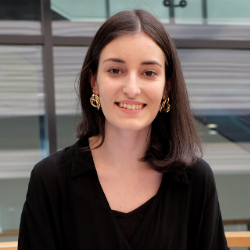
Mariana Da Silva
In 2019, I completed my Integrated Masters degree in Biomedical Engineering and Biophysics from the University of Lisbon, Portugal. I had the opportunity to conduct my thesis project at the University of Cambridge, where I developed a project on the use of deep learning to create synthetic CT images. My passion for deep learning in medical imaging and neuroscience led me to pursue a PhD with the CDT in Smart Medical Imaging. I will be investigating the use of interpretable deep learning in order to predict cognitive development from brain MRI data with meaningful explanations.
Read MoreS. Shailja
Webinars OfficerUniversity of California, Santa Barbara
Carla Sendre Balcells
Executive OfficerUniversity of Barcelona
Mark Asselin
PresidentQueen's University
Amelia Jiménez-Sánchez
Vice PresidentBCN MedTech, DTIC, Universitat Pompeu Fabra
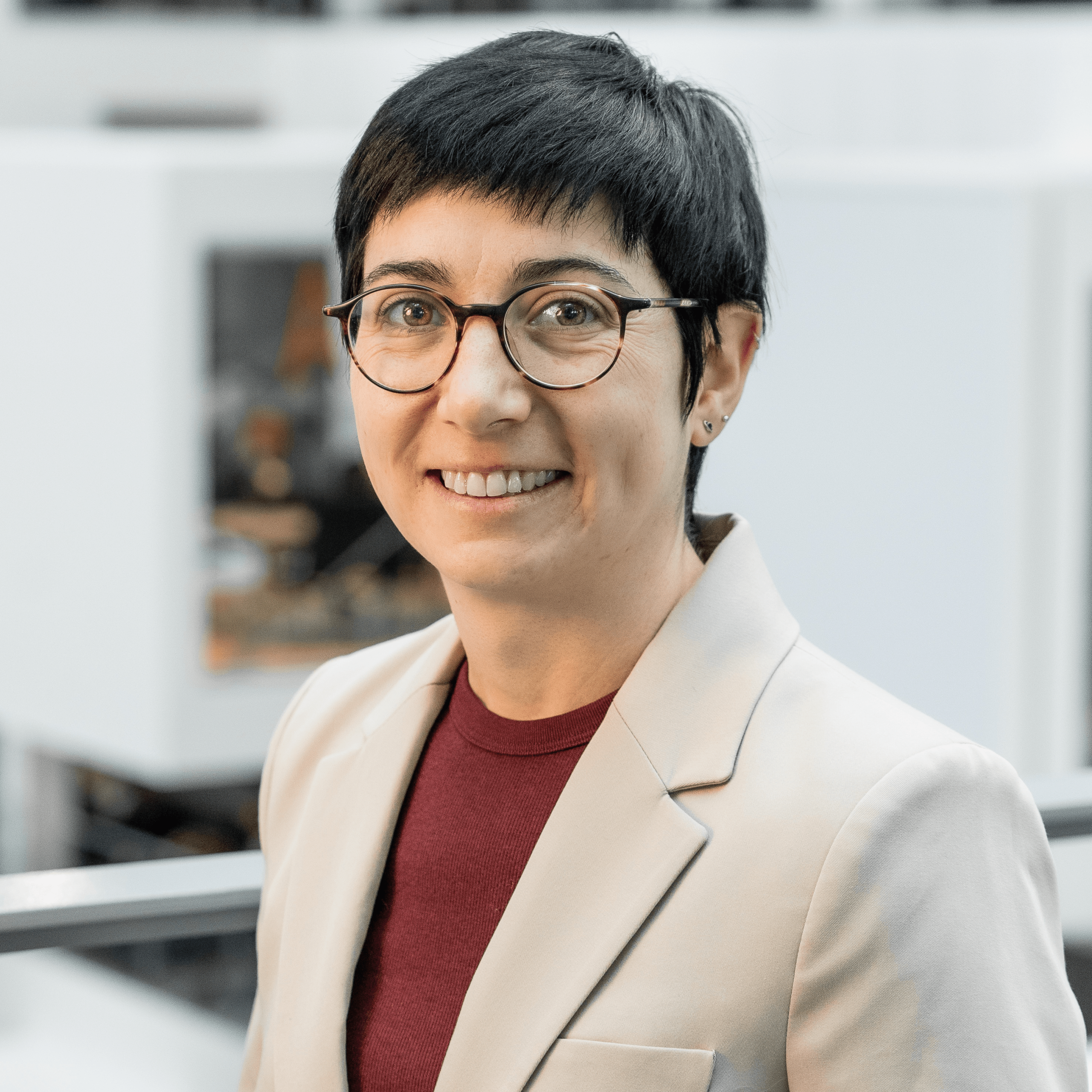
Amelia Jiménez-Sánchez
Hi, I am Amelia. I am a research data scientist excited to develop fairer AI algorithms for a diverse society.
Read MoreCamila Gonzalez
Professional Events OfficerDarmstadt University of Technology
Camila Gonzalez
Camila Gonzalez's PhD focuses on Continual Learning and Out-of-distribution detection for magnetic resonance images (MRIs) and computer tomography (CT) scans. Due to differences in the acquisition process across -and even within- medical institutions, this data often suffers from domain shift. Deep Learning models which are not trained specifically to deal with multi-domain data behave unreliably when applied to out-of-distribution images. Her goal is to facilitate the use of Deep learning models for both segmentation and classification/detection in clinical multi-institutional settings.
Read MoreJiahong Ouyang
Professional Events OfficerStanford University
Jiahong Ouyang
I started my PhD in Electrical Engineering at Stanford in 2020. Before that, I received a BS in automation from Tsinghua University in 2017 and an MS in robotics from Carnegie Mellon University in 2019 specialized in machine learning and computer vision. My research interest is applying machine learning methods on neuroimage analysis, especially on modeling the progression of neurodegenerative diseases like Alzheimer’s Disease.
Read MoreAhmed Nebli
Educational Events OfficerFZ Jülich, Germany
Vanessa Gonzalez
Educational OfficerEcole Central Nantes
Vanessa Gonzalez
B.S. in Mechatronics Engineering, Universidad Nacional de Colombia, 2017 M.Sc. in Generalist Engineering, Ecole Centrale de Nantes, 2019 Ph.D in Ultrasound enhancement and 3D volume construction, Ecole Centrale de Nantes, 2023 (expected)
Read MoreAngela Castillo
Social Events OfficerUniversidad de los Andes
Angela Castillo
I am a Deep Learning Research Scientist at Animaj. Previously, I obtained my Ph.D. degree while I was a researcher at the Center for Research and Formation in Artificial Intelligence under the supervision of Prof. Pablo Arbeláez at Universidad de los Andes in Bogotá, Colombia. My research is focused on Generative Artificial Intelligence (Generative AI).
Read MorePaul Weiser
Social Events OfficerMedical University of Vienna
Tobias Czempiel
Sports OfficerTechnical University Munich
Mariana Da Silva
Public Relations OfficerKing's College London
Mariana Da Silva
In 2019, I completed my Integrated Masters degree in Biomedical Engineering and Biophysics from the University of Lisbon, Portugal. I had the opportunity to conduct my thesis project at the University of Cambridge, where I developed a project on the use of deep learning to create synthetic CT images. My passion for deep learning in medical imaging and neuroscience led me to pursue a PhD with the CDT in Smart Medical Imaging. I will be investigating the use of interpretable deep learning in order to predict cognitive development from brain MRI data with meaningful explanations.
Read MoreYlenia Giarratano
Webinars OfficerUniversity of Edinburgh)
Naren Akash
Executive OfficerIIIT Hyderabad India
Naren Akash
I am an AI researcher. I think a lot about what it takes for AI systems to reason well, not just accurately but reliably. Things like staying grounded in evidence, being calibrated under uncertainty, and actually working in practice. I happen to focus on its applications in healthcare and medicine, where these capabilities stop being nice-to-haves.
Read More